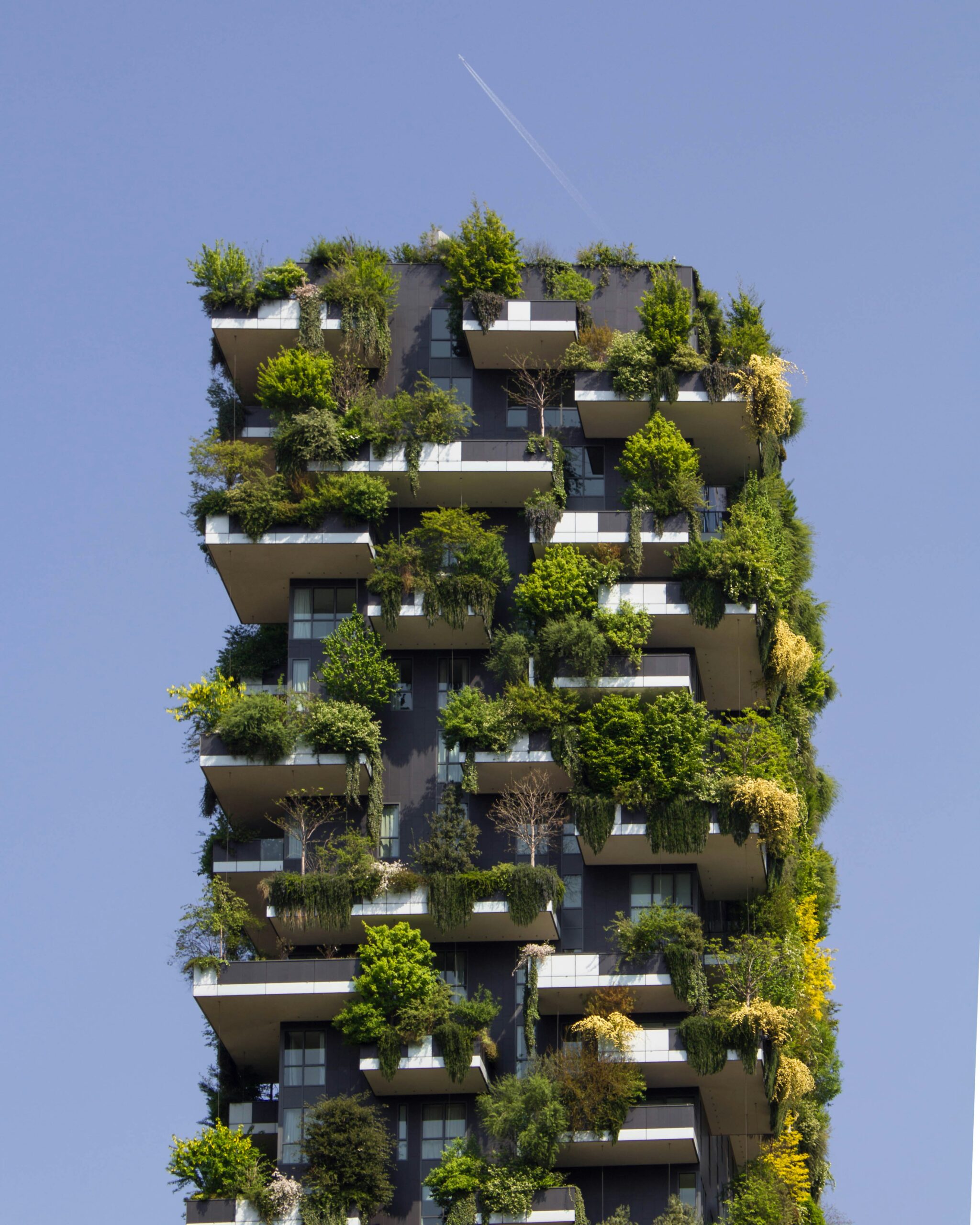

Geosalud at home: live better
Geosalud and perception: Ulrike Oswald's view on space as that silent ally that can change how you sleep, how you think, and how you live.
We live in a state of permanent alert. We often blame chronic fatigue, lack of concentration or insomnia on work pressure, our schedule or our own self-demand. However, we spend most of the day within four walls and rarely stop to think: what if the problem isn't your life, but your home?
The expert in geo-health and perception Ulrike Oswald She experienced this reality first-hand. After years in fast-paced international marketing environments in Austria, she discovered that she chose her homes based on price or aesthetics, ignoring their biological impact. By observing how her energy changed depending on the light, materials and layout, she reached a conclusion that today defines her methodology: Space is never neutral; it either amplifies your internal noise or acts as a support.
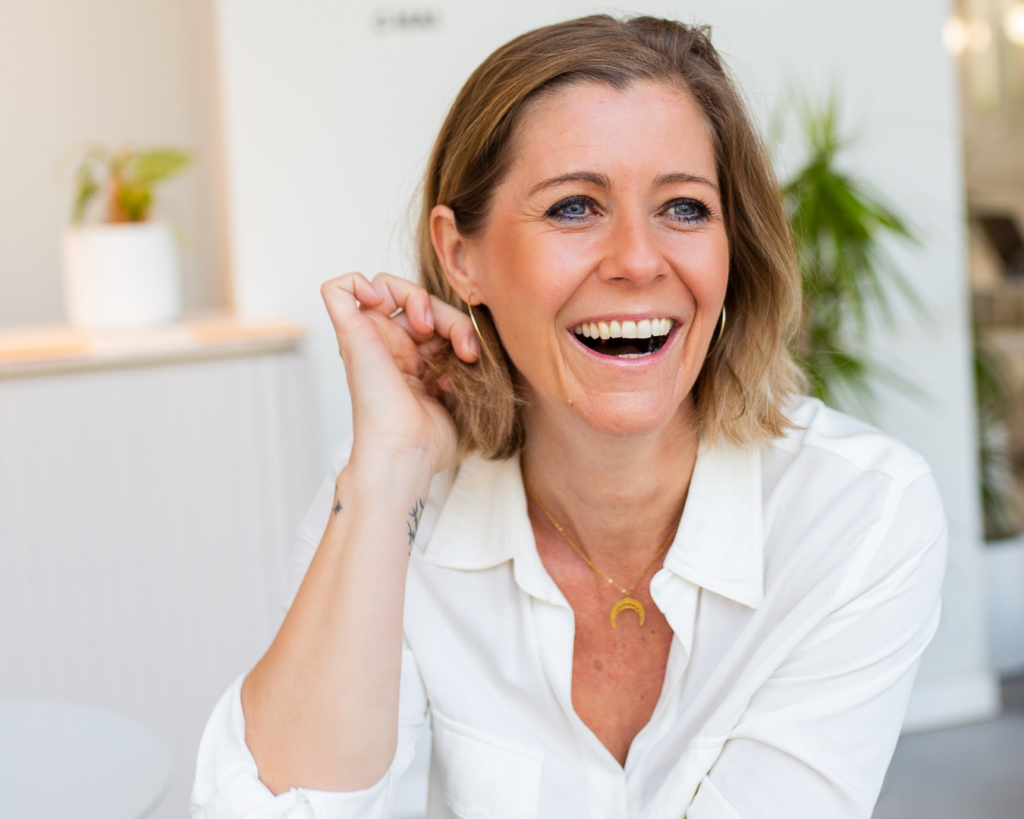
Where does the need to connect health and space originate?
For Ulrike, her calling did not stem from a design trend, but rather from a wellness crisis in Vienna. Despite having a life that looked orderly on the outside, internally she felt a constant friction.
Geohealth is born from this awakening: the home is neither a passive backdrop nor a simple functional refuge. It is a living structure that directly impacts our nervous system, our decisions and our biology. When we stop choosing homes just for superficial «labels» and start analysing the orientation, natural light and sustainability, we understand that the environment is one of the great invisible regulators of our quality of life.
The home as an ally: what is it that truly satisfies us about a home?
Beyond the aesthetic result or the magazine photos, the true success of a sustainable and healthy home is measured in the body.
Many people turn to environmental consultancy convinced that their distress is psychological or work-related. However, when analysing the space through the lens of applied neuroscience, they discover that their environment was acting as a stress amplifier. What truly transforms a life is that moment when you stop trying to «fit in» with a forced layout and start understanding which stimuli calm you and which scatter your focus. When the space stops generating resistance, the nervous system regulates itself and performance improves through coherence, not pressure.
Method, science and tradition: what is the environmental diagnosis process like?
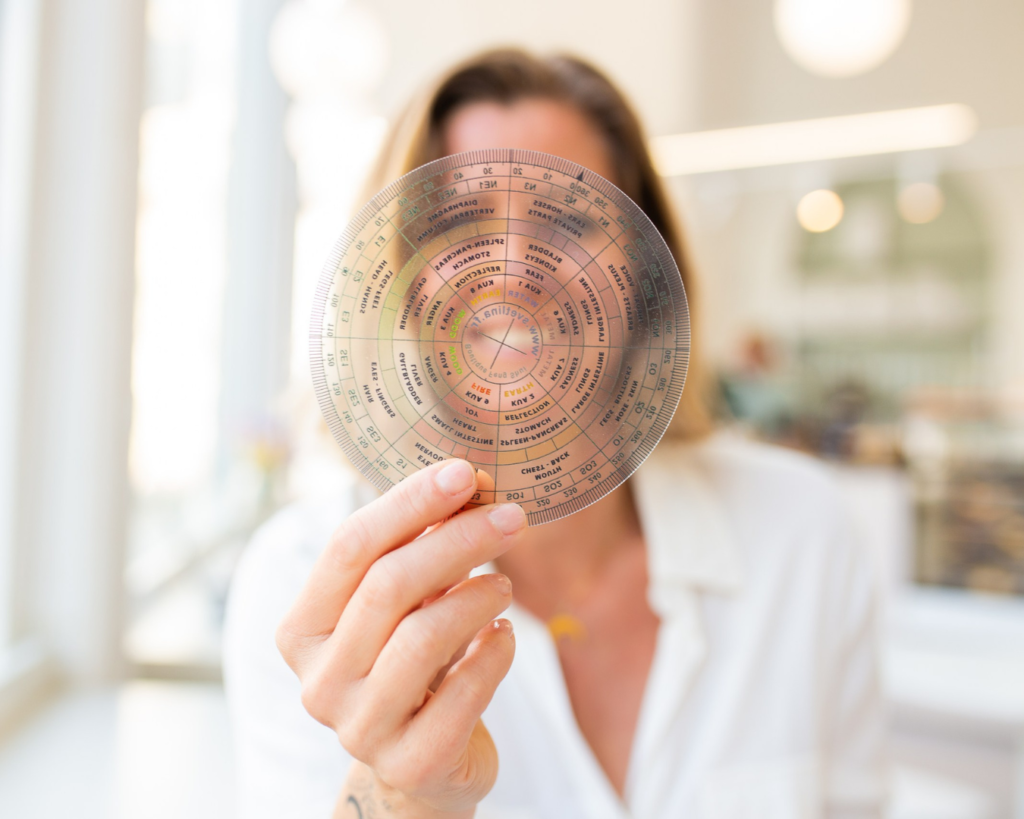
Addressing geohealth requires a subtle balance between structure and sensitivity. Analysing a space is like opening a large jigsaw puzzle box where technical data and the history of the place intersect.
The contemporary approach to geohealth does not impose rigid rules, but rather combines:
Environmental hygiene: Working with measuring tools, clean aromas and natural raw materials that do not overwhelm the senses.
Neuroarchitecture and psychology: Analysing how the brain responds to shapes (for example, introducing curves to soften excessively straight and rigid architectures).
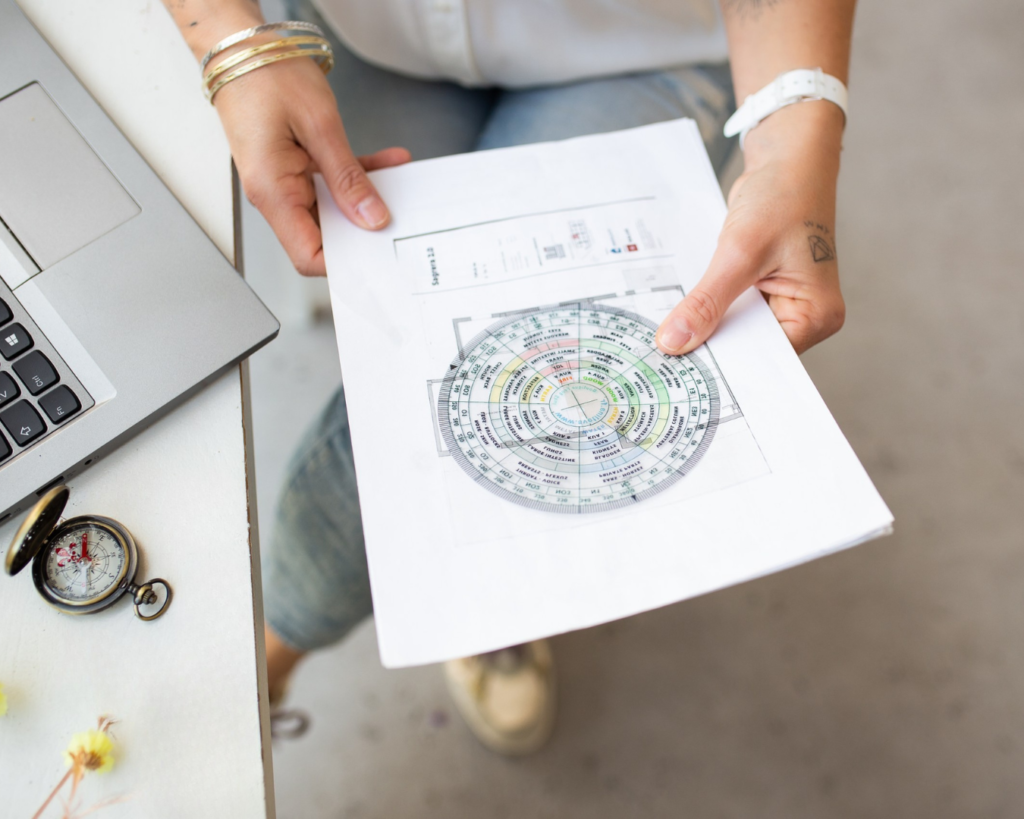
Traditional wisdom and Feng Shui: Study orientation and energy flow so that the space «breathes» with its inhabitants.
«The moment a person stops trying to fit into their house and starts understanding what they really need to live well.
Is your home a reflection of who you are?

An eco home is not something static. It changes, evolves and adjusts to the biological and emotional needs of each stage. In Ulrike's own house in Barcelona, the space smells of clean wood and fresh essential oils that clear the nervous system.
Geohealth also applies to the small details: the use of paint as a tool for perceptual transformation, or the presence of natural elements — such as three bamboo stems in a glass vase — that act as visual reminders of balance, growth and flexibility. The home must sustain the energy of all its inhabitants (including the powerful dynamics of teenage children), demonstrating that a space is perfect not when it is spotless, but when it breathes in harmony.
Emptiness and reorganisation as a conscious act
In the home wellness, tidying is not a functional cleaning chore, but a ritual with intention. Reorganising a corner under soft light and mindfulness is equivalent to adjusting the narrative of your own life.
Each area of the house is symbolically linked to a vital domain. For example, looking after the South —linked to external perception, reputation and voice— takes on a profound meaning in a society that demands we constantly expose ourselves. Moving objects with mindfulness is, in reality, asking oneself: Am I living and projecting what I truly want to express?
“When I reorganise, I am not moving objects. I am adjusting narrative.
Life is not perfect. It is adjustable.
Ulrike She went through a period of sustained malaise that forced her to stop and investigate. And that is when the deep work with space and the environmental geo-health appeared. Understanding that the place where we live influences our rest, our nervous state and our perception was revelatory.
Life is not perfect, but it is deeply adjustable. And the home, when we stop viewing it as a simple backdrop and begin to read it as a regulator, can become one of our greatest allies.