
Dino Gavina
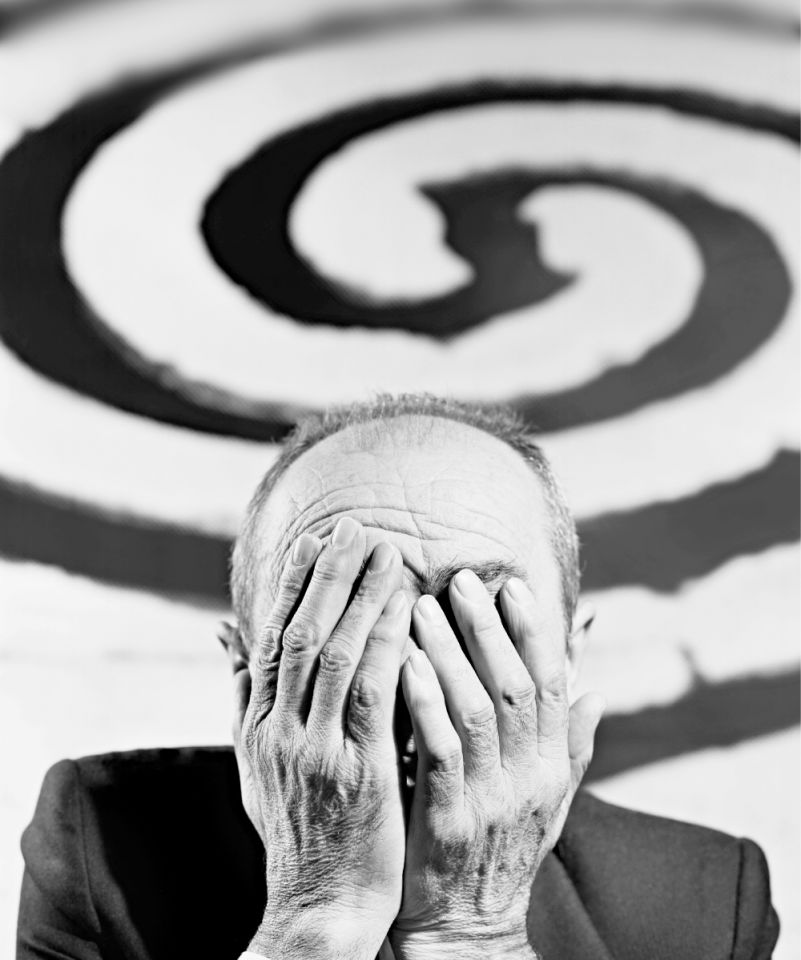
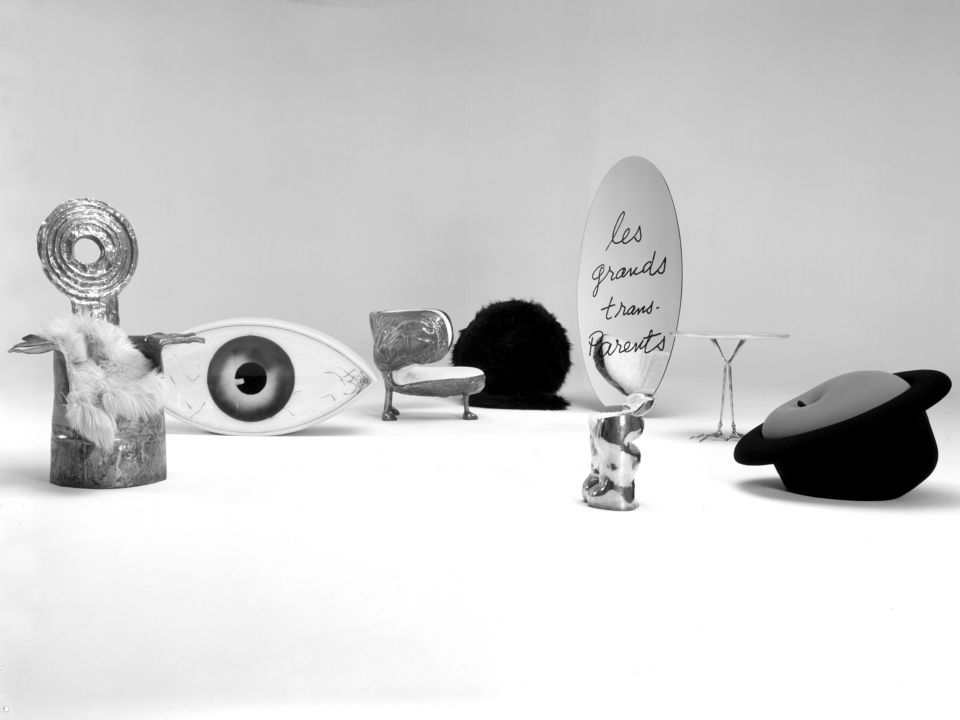
When talking about Italian design, we're talking about him. Dino Gavina (1922-2007) was a businessman and cultural agitator who always wanted to put a spin on everything until he came up with what we know as Italian Style, a vocation for quality that defines Italian furniture design worldwide.
Under his influence, some of the most iconic pieces of furniture of the last century were created, achieving a new relationship between culture and industry, with the mass production of furniture and objects of great aesthetic and ethical value. He was the first to democratise design, mass-producing Bauhaus furniture to make it accessible to a wider audience, that is to say, what Ikea o Terence Conran they have done years later.
It all began in 1962, when Gavina, owner of a small furniture factory in Bologna, flew to New York to meet Marcel Breuer, a Bauhaus student, intent on marrying industrial processes with creative drive.
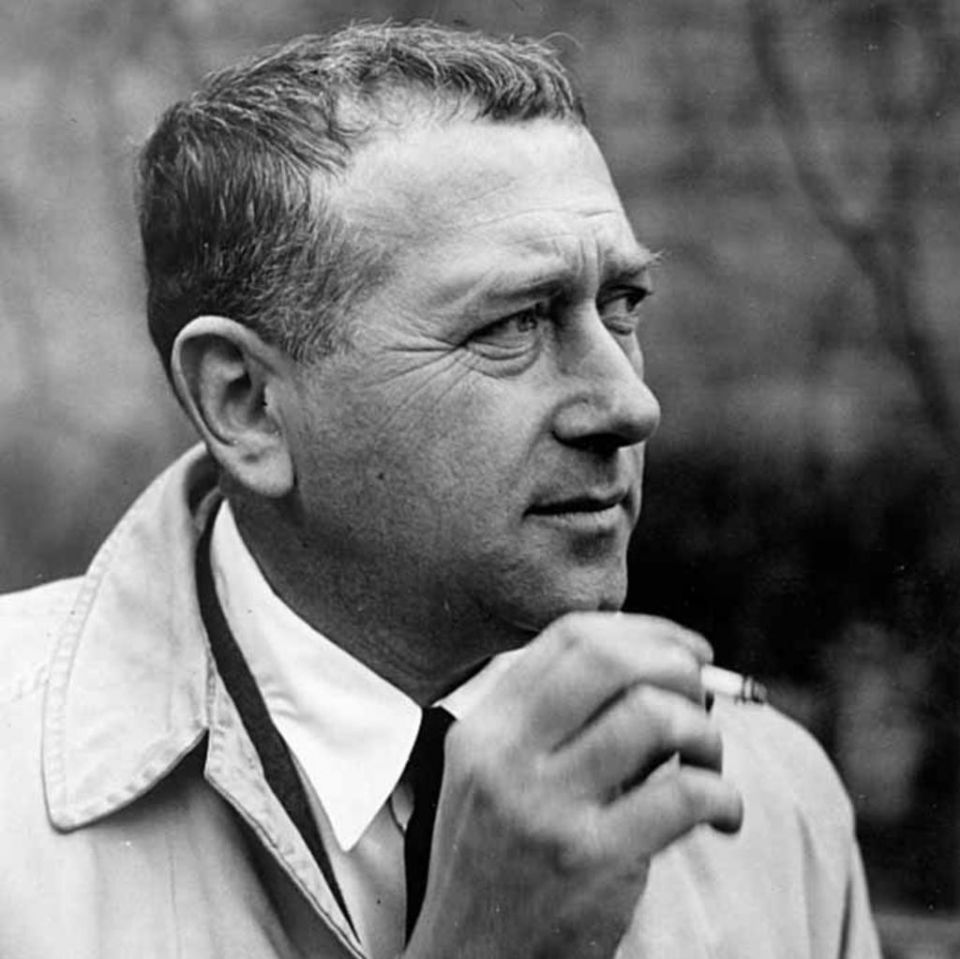
The attraction was instant and Gavina returned to Italy with permission to mass-produce the chair Wassily, one of Breuer's most famous designs.
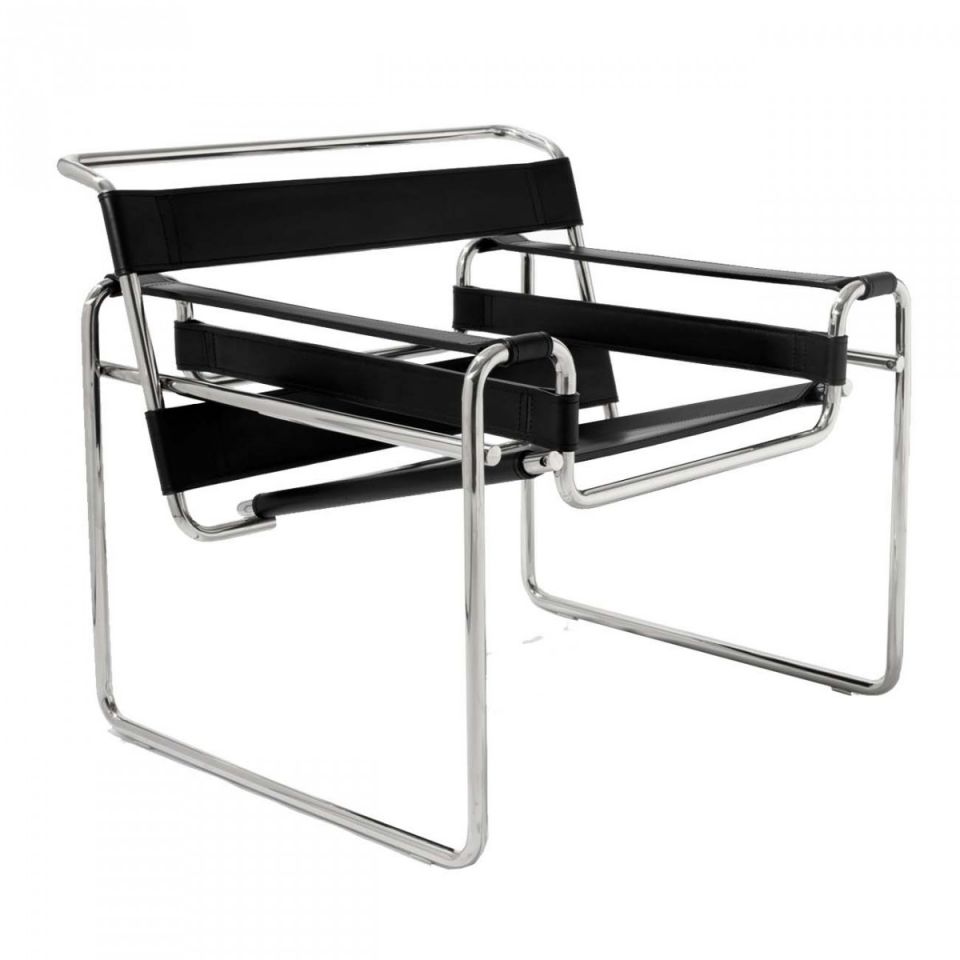
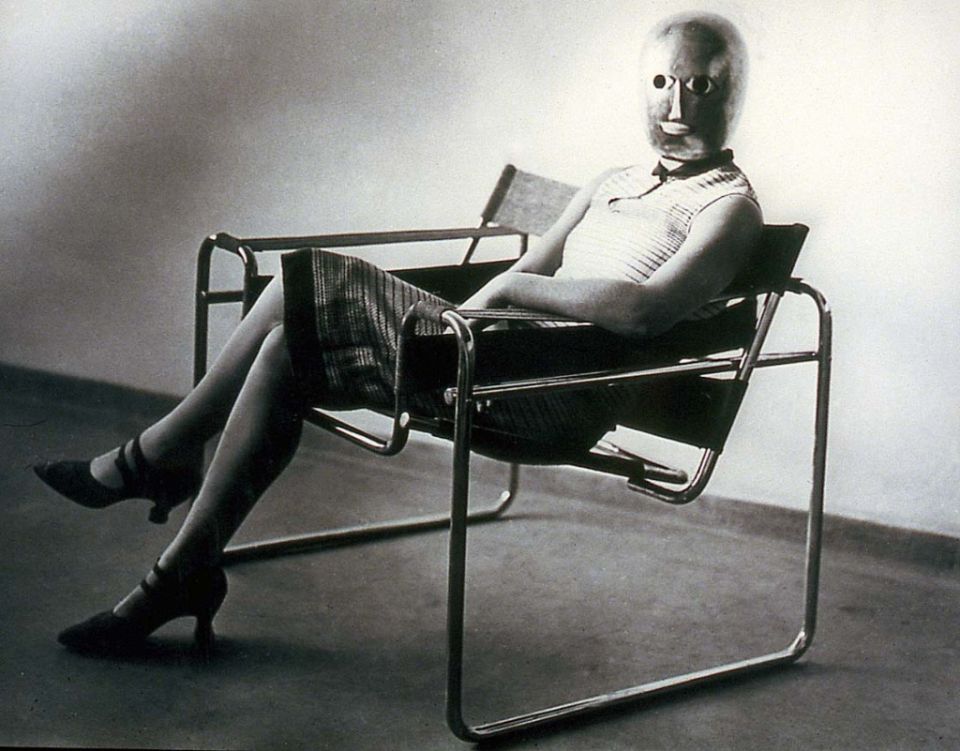
Gavina felt admiration for this chair, which, having been designed over 40 years ago, still looked modern. And like him, many others did too, because it sold as it came out of the factory, becoming a standard in homes and offices around the world.
A small revolution had begun. And the culprit was the son of a builder from Bologna, with hardly any schooling, who started working as a doorman at a theatre, then moved on to be in charge of props and scenery, and from there to having a small workshop from which he manufactured seats for army jeeps and, every now and then, the odd piece of furniture. He really enjoyed himself there... So much so that word soon spread, until it reached the ears of Pier Giacomo Castiglioni, giving way to an explosive association in the Italian industry. In the 60s and alongside the architect Carlo Scarpa they founded a furniture factory and two years later one dedicated to lighting, Flos, a name that for years has been synonymous with good Italian design.
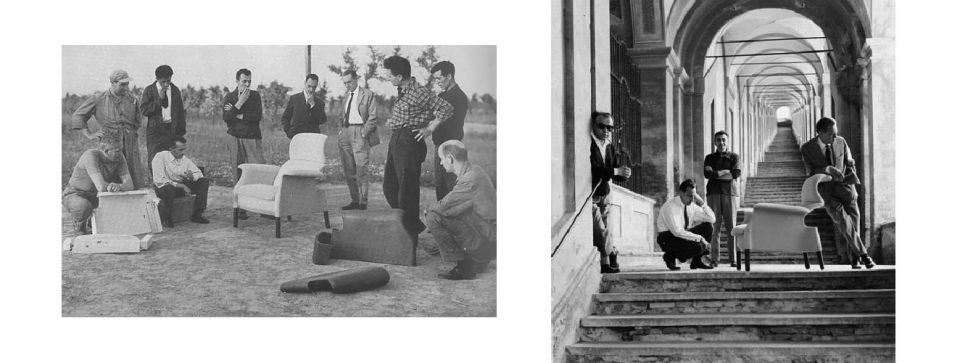
More than a designer, Gavina was a born entrepreneur, a revolutionary., a worried backside. In 1967, the Duchamp Centre was inaugurated in Bologna, a space dedicated to helping young designers realise their projects.
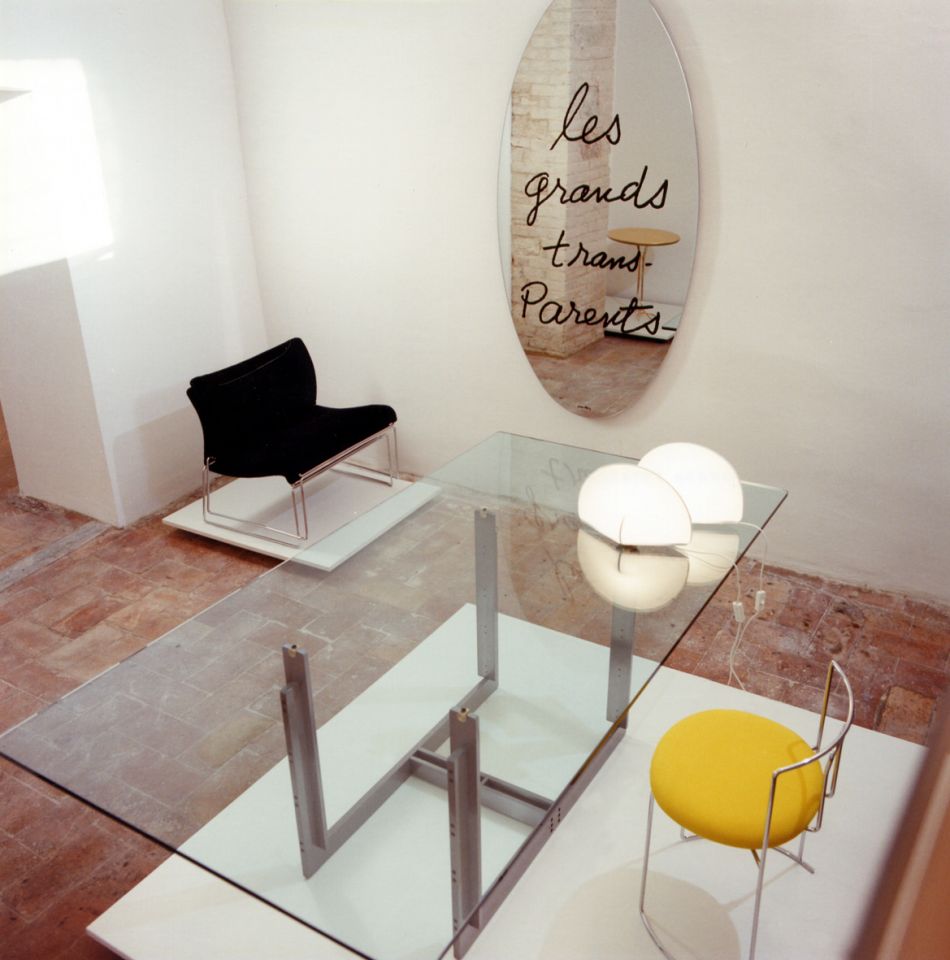
This happened just one year before he sold his business to the North American firm Knoll, ..., I was eager to start again (because this entrepreneurship thing is a nasty virus...) and found more companies, like Simon International, and continue to light the fuse for different revolutions within design.
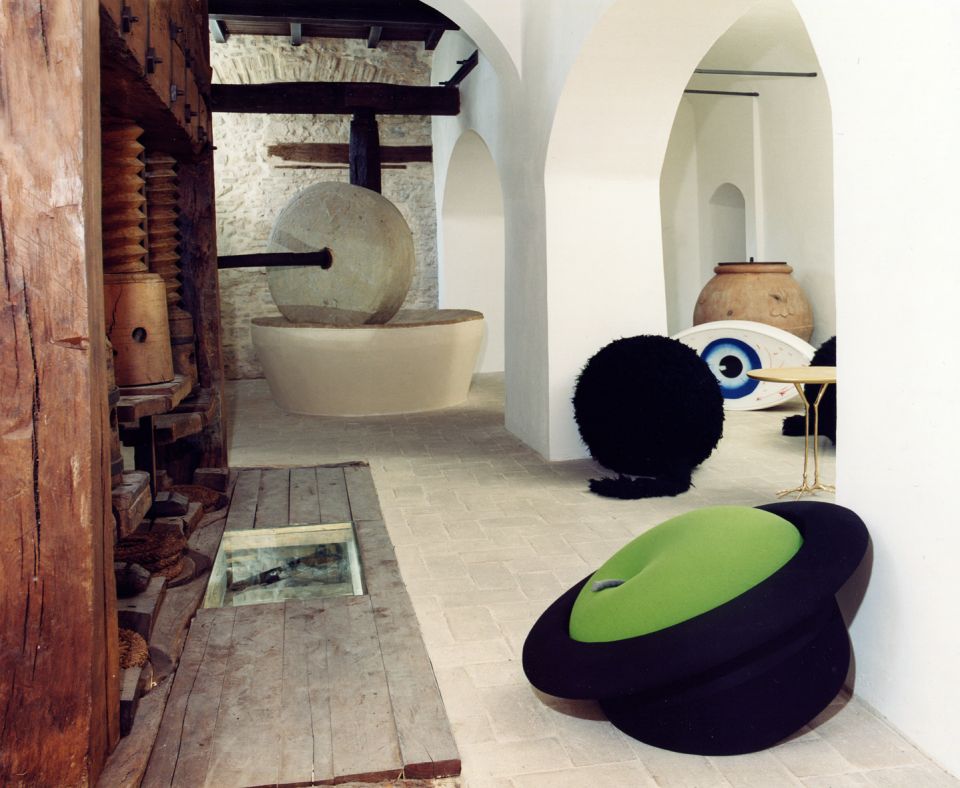
In the 80s, he dedicated himself to teaching at the University of Rome and giving lectures all over the world, and the show was guaranteed, much to the horror of the organisers, as he denied the right to participate in the debate to any student wearing jeans.
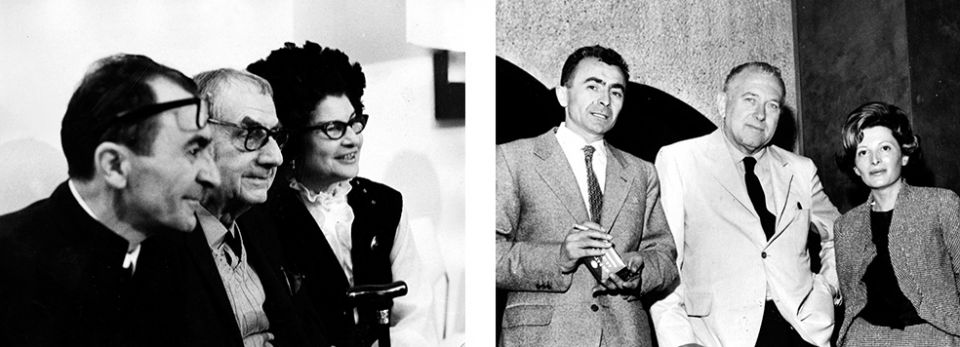
He was quite the character and the most important revolution was the one he carried within. Apparently, for many who knew him, he was utterly unbearable. Imagine, his business card had no address or phone number, it simply read «Dino Gavina. Subversive». He died of a heart attack in 2007, leaving behind a wife, two daughters, and several mistresses. A subversive is one until the very end, wouldn't you say?
[Dedicated to Miqui Puig, who, over wines, told us about him and his creative universe.]