

How are you experiencing your home in times of lockdown? José Luis Echeverría, on Betevé
José Luis Echeverría, founding partner of Monapart, gives details of how we are experiencing lockdown at home and what repercussion it will have in the future.
During lockdown, people have had to adapt the spaces in their homes in order to carry out new daily routines. Doing physical exercise, working from home, cleaning or baking are some of the activities that have been most frequently repeated throughout this period. And this is confirmed by the study carried out by Monapart, in conjunction with the Universitat Politècnica de Catalunya, which records the habits of 938 homes throughout the region over the course of this health crisis caused by the coronavirus, and how we are preparing for the incipient “new normal”. Betevé reports on it in this news item, which features the insights of José Luis Echeverría, partner at Monapart.
Time to discover new hobbies
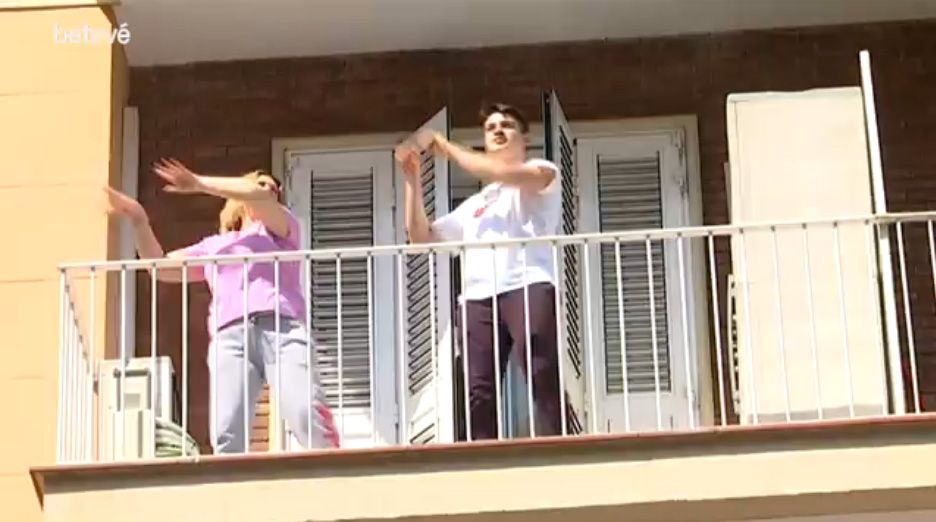
The study has found the versatility in how we use our homes in the middle of lockdown. A 67% destined to practise physical exercise, either in the dining room or in the hallway. Secondly, a 48,2% of the people surveyed stated that they use it for working from home I un 40% – make the most of it by giving the place a thorough clean and doing some cooking. José Luis Echeverría, a partner at Monapart, points out how this lockdown has also served to discover new hobbies: “Above all, there has been an increase in crafts and artistic work, as well as gardening, despite not having large terraces.
Are we comfortable at home or not?
This research has also sought to reflect whether people feel comfortable or not in their homes. The results show how more than half, a 53.6% – they do feel comfortable. However, there is a small minority, a 7%, which isn’t there. In fact, according to the researchers, it is normal that not everyone agrees, as there has been a shift from living to surviving. "Here there has not been a use of the property, there has been an abuse.This intensive use has pushed housing to its absolute limits, revealing that there are things for which housing is not prepared.”, states José Luis.

Changes for the future
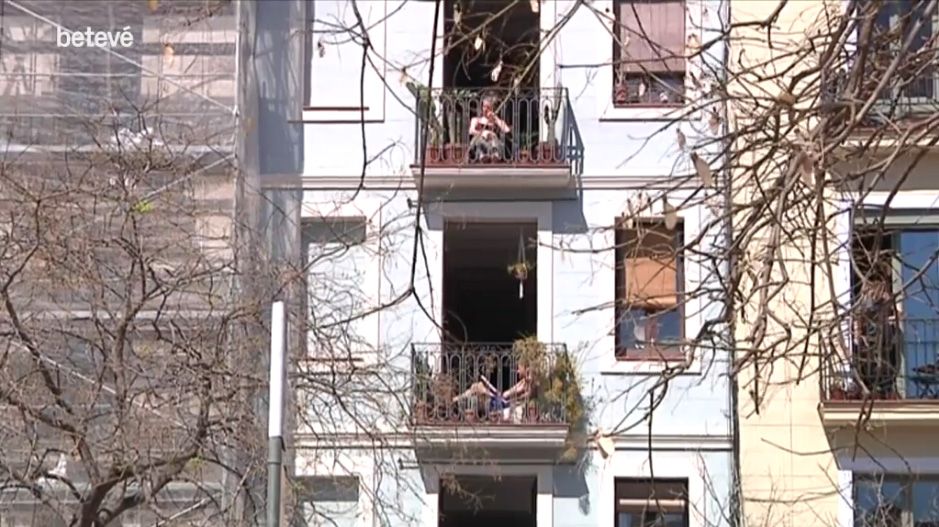
The lockdown has shown that, in many cases, there are certain shortcomings in homes and that they are not adapted for carrying out daily activities. “There should be housing that is a bit more generic and not so specialised. There has been a trend where balconies have been disappearing and now it is seen that having a balcony that allows you to incorporate the outdoors can be very valuable. And furthermore, the changes we will see are that all new-build floor plans will incorporate a study” Conclude with José Luis.
The lockdown has also opened the eyes of many families, what they have discovered they can do hack certain spaces to make them more useful. That is why a 13.3% is planning to make some changes to a room, and a 15% is planning to carry out some alterations that would involve a small amount of building work.
Collaboration with the Universitat Politècnica de Catalunya
The Habitar Research Group of the UPC It is led by the professor of projects Xavier Monteys, and its aim is the study of the human habitat as an environment in which current ways of life develop. The health crisis situation that began in mid-March, which has involved a total lockdown at home, is an unmissable reason for study to understand how we live (or survive) in these unique conditions.